WARDOGS / FIELD NOTES
Dodging lock-on missiles: flares, altitude and tone
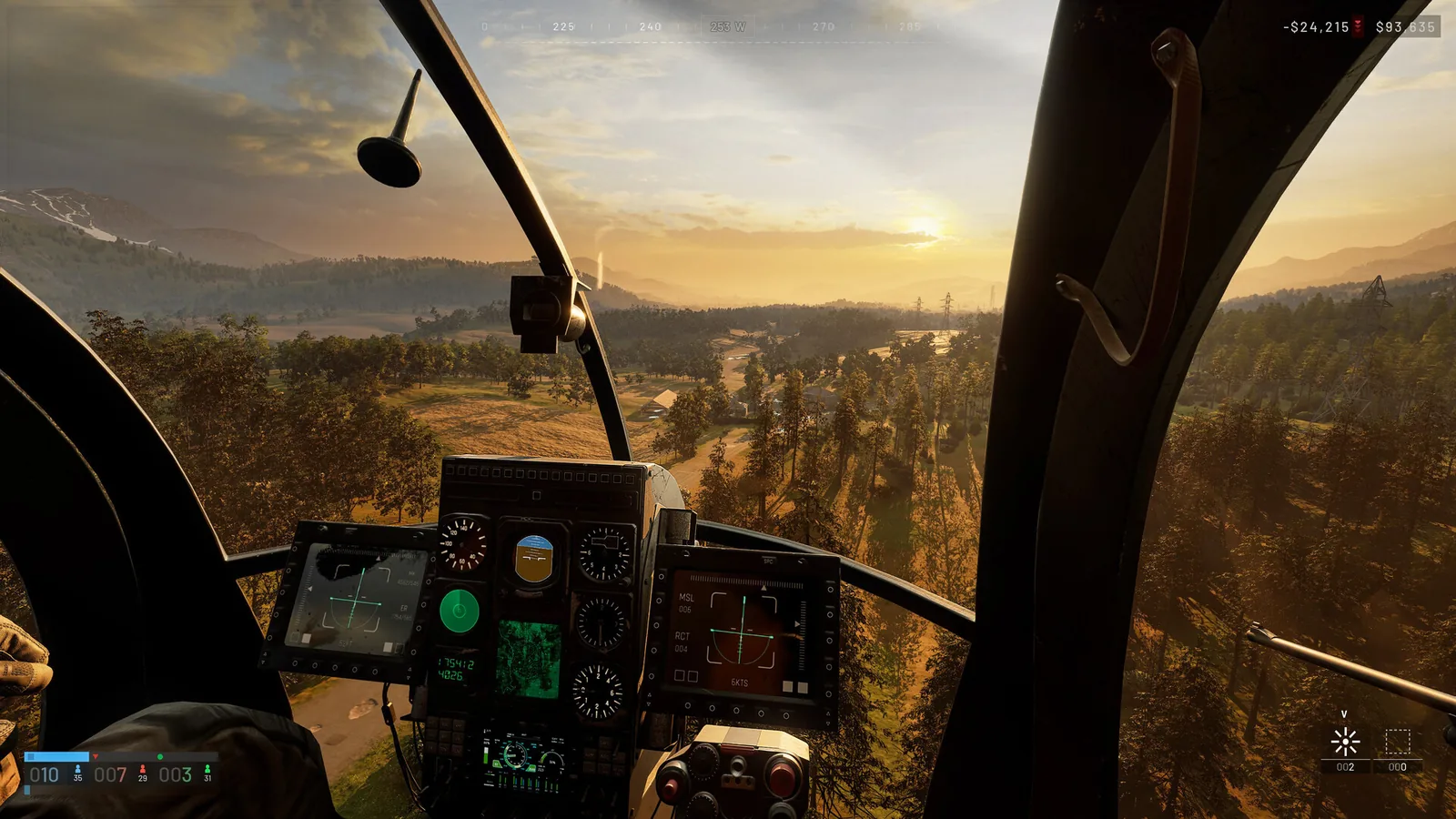
Every new pilot loses a helicopter to a missile they never needed to eat. The fix is not luck, it is an altitude number and two sounds worth learning properly.
Quick card
- Lock-on threats
- Talon (base SAM site) and Verba (portable)
- Safe altitude
- 30 AGL or below: lock-on is not possible
- Typical flying band
- Around 40 to 60 AGL (verify against your current build)
- Tracking tone
- Intermittent beep beep beep
- Missile-inbound tone
- Steady, continuous tone
- Flare stock
- Little Bird up to 9, Lakota up to 20 (verify against your current build)
Two things are trying to lock you, know which
Lock-on damage in a helicopter comes from one of two sources. The Talon is a SAM site that only gets built on a base, and needs a player sitting in the seat working the lock manually. The Verba does the same job from the ground on foot: a portable launcher a single player can carry and fire without any base or emplacement at all. Neither cares whether you can see them; both only care whether you are above the altitude where locking on is possible.
Thirty AGL is the line, and you cannot live there
Above 30 AGL (height above the ground directly beneath you, not sea level) a Talon or a Verba can get a lock. At or below it, they cannot, full stop. That does not mean flying the whole match at 30 AGL: trees, ridgelines and buildings make holding exactly that number impractical for more than a few seconds at a time, so most flying happens somewhere around 40 to 60 AGL instead, dipping toward 30 only when a threat is actually working on you.
Two tones, two different messages, one decision
The intermittent beep beep beep means someone has started tracking you; it is a warning, not yet a hit. If you dip below 30 AGL and that tone drops out, you are already safe and no flare is needed. If instead it turns into a steady, continuous tone that carries on even after you have dipped under 30, that is confirmation a missile is actually in the air and flying at you. At that point give it roughly half a second to a second, then pop the flare. Treat the flare as an on-demand shield rather than something to spend the moment you hear the first beep: a missile already inbound is what it is built to stop, and firing early just leaves you without one for the next threat.
Know what you are carrying before you need it
Flares sit under the ammo menu's countermeasures tab, which is the only tab available on a helicopter with no guns of its own, such as the transport-configured Little Bird in this build. Stock and cost vary by airframe and by patch: at time of writing the Little Bird carries up to 9 flares and the Lakota up to 20, with a real in-game cost per flare rather than the free-looking placeholder some menus show. Check your own build's numbers before you fly a route that assumes a specific count; a helicopter that has already burned its flares on the way in has none left for the flight home.
Related field notes
 WARDOGS28 Sep 2026FPS and performanceDisplay settings, Steam and Windows configuration, and GPU driver tuning for more frames and less input lag, plus which popular tweak to skip.FIELD NOTE 01
 WARDOGS7 Nov 2026Road to Season 3: what BULKHEAD saidBULKHEAD's Road to Season 3 vlog: a 12 November launch, three-month seasons, multi-track unlocks, a limited mode and a 185,000 account ban wave, with timestamps and our take.FIELD NOTE 02
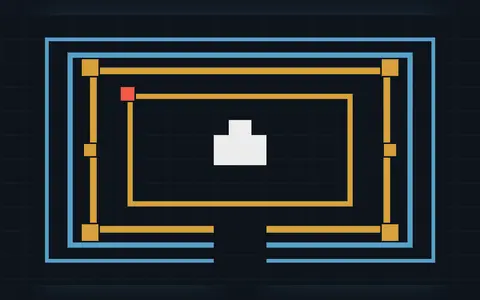 WARDOGS6 Nov 2026Layered onion defense baseHesco first, Bremers over it, then more: HitboTC's layered way to build a WARDOGS FOB fast, lined up from one cornerstone block and set beside our other guides.
Sources
Numbers and mechanics on this page are paraphrased from:
Wing Mait is an independent project, not affiliated with or endorsed by WARDOGS or its publisher.