MW4 DMZ / FIELD NOTES
Callouts, map scale and team GPS: how we approach helping you in DMZ
A good callout is a measurement said aloud, and a good squad shares one vocabulary of place. This is how we approach both in MW4 DMZ: what the UI shows that a player could use, how a map scale becomes metres, and why knowing where you are matters as much as knowing where they are.
Quick card
- Spotted target
- Bearing, then distance in metres
- Format
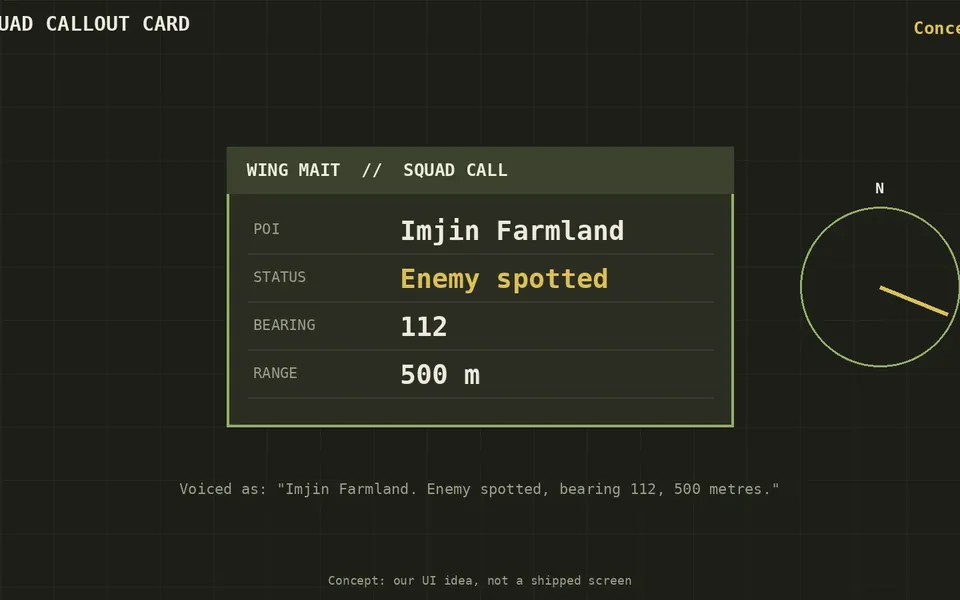
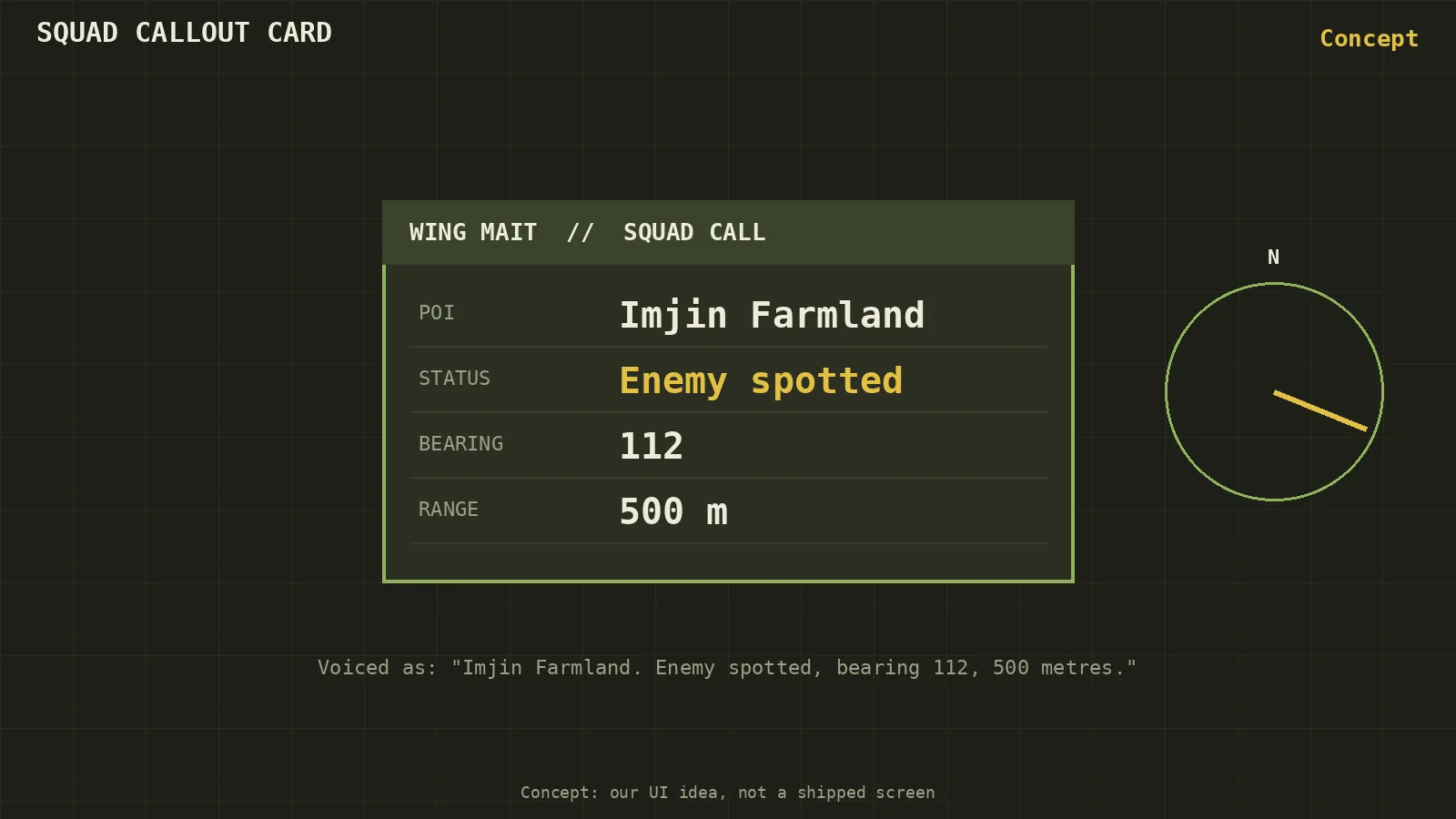
- Enemy spotted. Bearing 112. Distance 500 metres
- Close
- Said instead of a number inside 50 metres
- Map scale
- A known scale turns minimap pixels into metres
- POI GPS
- Area name read from the compass, as a shared place vocabulary
- Status
- Proven in WARDOGS for contacts; all of it planned for DMZ
Start with what is on the screen
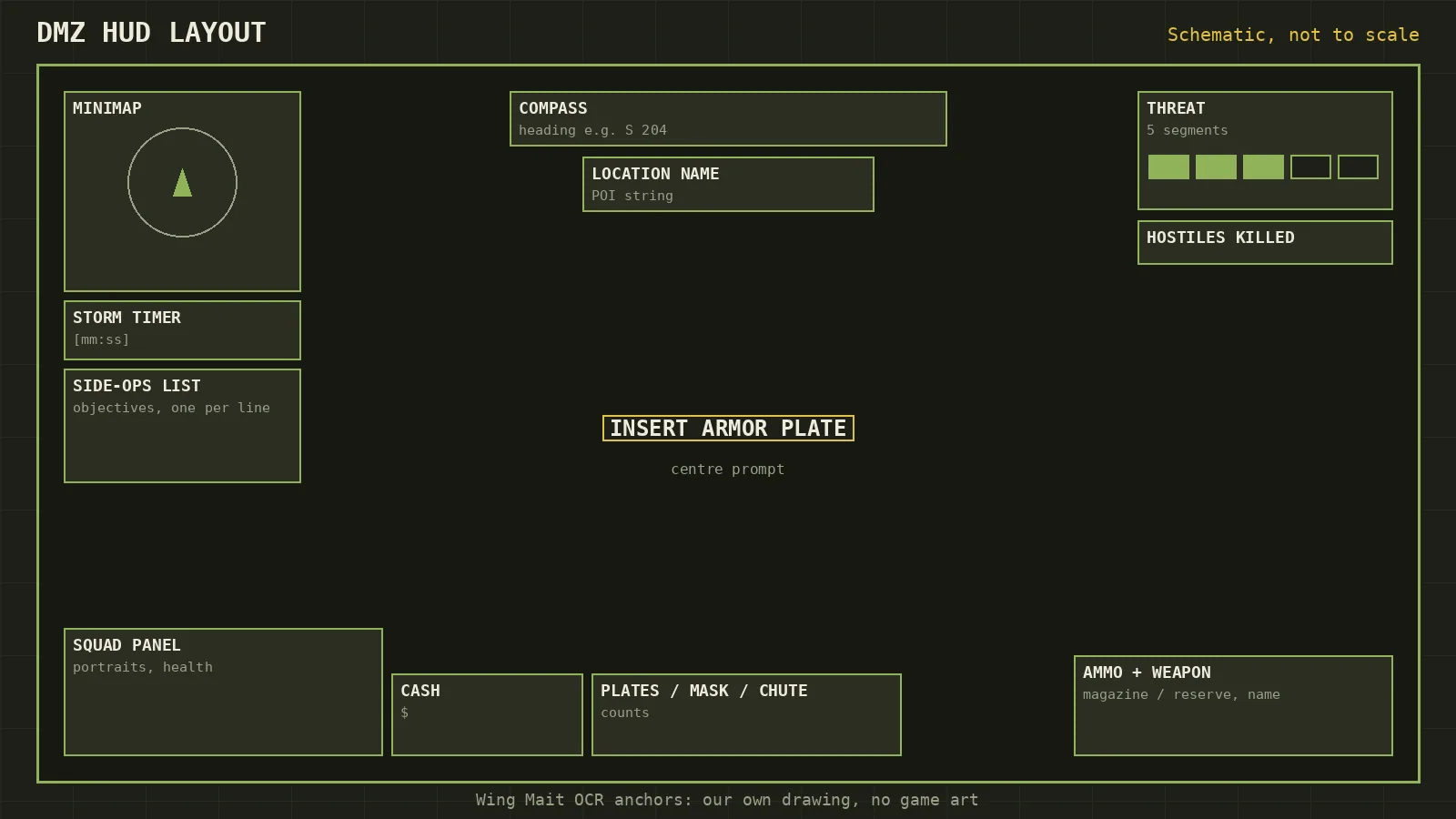
The way we approach helping a player is to sit down with the screen and ask what it already contains that a person would act on if they had the time to read it, and the honest answer in DMZ is a great deal: a heading, a place name, a threat level, a timer, a squad panel, a minimap with contacts on it. Our job is to say aloud the parts that matter at the moment they matter, and nothing else. All of what follows is planned for the DMZ pack. Where a piece has already been proven in WARDOGS, we say so.
Map scale: how pixels become metres
A minimap is a drawing made at a fixed ratio, and if you know the ratio you know how far apart two things are. Suppose the minimap covers a known number of metres from edge to edge; then each pixel is that many metres divided by the pixel width, a contact drawn forty pixels from the centre is forty times that distance away, and the arithmetic does not care whether the contact is a squadmate or a stranger. In WARDOGS the scale is something the player sets up and we rely on it, which is the proven part. For DMZ the minimap's real scale is not something we know yet (it may even change with the zoom or the vehicle you are in), so we will measure it in the release build and say what we find.
Bearing and distance to spotted targets
Once you have a distance you need a direction, and the one players already share is the compass. The minimap draws a contact at some angle from the top of the map, the compass at the top of the screen tells us the heading you are facing, and adding the two gives a bearing in degrees that means the same thing to everyone in the squad. (If the DMZ minimap does not rotate with you, the sum changes, and that is one more thing to check on day one.) The callout is deliberately plain: "Enemy spotted. Bearing 112. Distance 500 metres." Inside 50 metres we say "close" and drop the number, because at that range a figure is a waste of a second. This is the format we speak in WARDOGS; for DMZ it is a plan.
Why POI GPS matters as much as target GPS
Knowing where the enemy is gets the attention, and knowing where you are is what lets a team decide anything. In DMZ the compass shows the name of the area you are in, as plain text, which means the game is handing us a coarse position for free, with no map reading required. Our founder plays WARDOGS solo and zooms the big map constantly to read the lie of the land, since there is no GPS there yet, and it is exactly the habit a place name would shorten. A name is a position that has already been agreed.
A squad that shares one vocabulary of place
Compare two ways of saying the same thing. "We are over to the left of that big field, I think" is a sentence a squad can argue about for a minute; "We are leaving Imjin Farmland, heading for Deadtown" is one nobody argues about, because both names are on every player's compass and both are on the map. That is the whole use of a place-name callout: not to tell you where you are, which you may know, but to make sure four people hold the same answer. Our Hajin map guide lists the thirteen major names, and the compass will supply the minor ones.
Team coordination, where the two meet
Put the two together and a callout stops being an alarm and becomes a coordinate. "Enemy spotted. Bearing 112. Distance 500 metres" is a fact about a direction; "Mirae General Hospital, enemy bearing 112, close" is a fact about a place, and the second is one a squad can act on without a conversation. We are cautious here, because no squad wants a stream of narration, and the pace matters as much as the content. The principle is a short line, at the right moment, in a voice that stays out of the way.
What the UI can add
Beyond bearings and places, the screen offers a few quieter inputs a player could use: the threat level changing, the storm timer approaching a number you care about, the squad panel showing a teammate down, plates running low. Each of those is a reading of something already visible, which is the rule we hold ourselves to. We do not read memory, we do not hook the game, and we do not send input to it, and so everything we can say is limited to what the screen itself shows.
Where this stands
Wing Mait ships today for WARDOGS as a 0.9.5 beta, with contacts spoken as bearing and distance, downed teammates, and mortar fire solutions, and it is deterministic with no cloud vision. The DMZ pack is in development and not released, anti-cheat certification is not done, and nothing here implies an endorsement from Activision. Follow along at /dmz/.
Related field notes
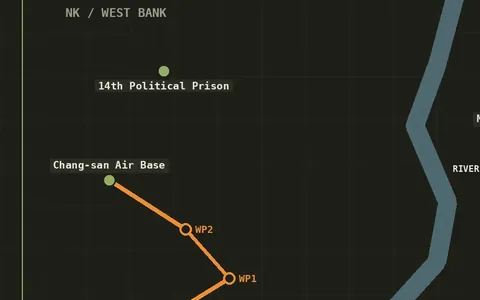 MW4 DMZ6 Oct 2026Infil planningWhy preparation is most of an infil: pick the place by threat band, pack for it, plan the exit before you drop, budget the storm timer and give the squad roles.FIELD NOTE 50
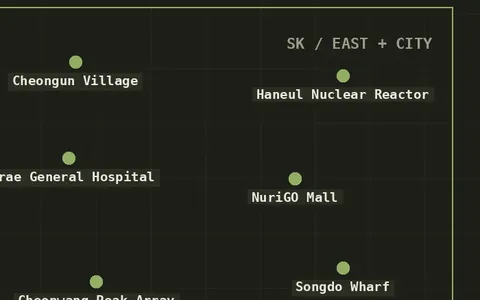 MW4 DMZ6 Oct 2026ExfilHeli, Fulton balloon and flare, why exfils are ambush points, the radiation storm and the Lieutenant dog tag broadcast, with the unknowns marked.FIELD NOTE 51
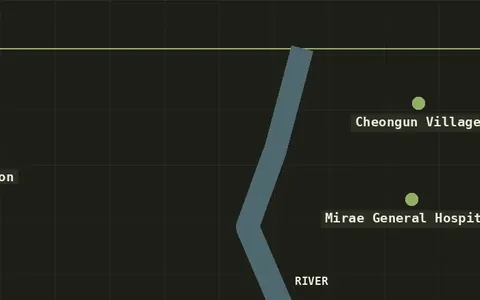 MW4 DMZ6 Oct 2026Route maps (planned)A planned feature: plan a route across Hajin out of game, draw it in orange on a map, share it with your squad, and have the voice walk you along it.
Sources
Numbers and mechanics on this page are paraphrased from:
Wing Mait is an independent project, not affiliated with or endorsed by Activision. Wing Mait for MW4 DMZ is in development and has not been released.