WARDOGS / FIELD NOTES
Attachments: what to bolt on and what to skip
Almost every attachment in WARDOGS is a trade, and the bill lands on aim-down-sights speed. Here is what each class actually does, and where the cheap default option quietly costs you fights.
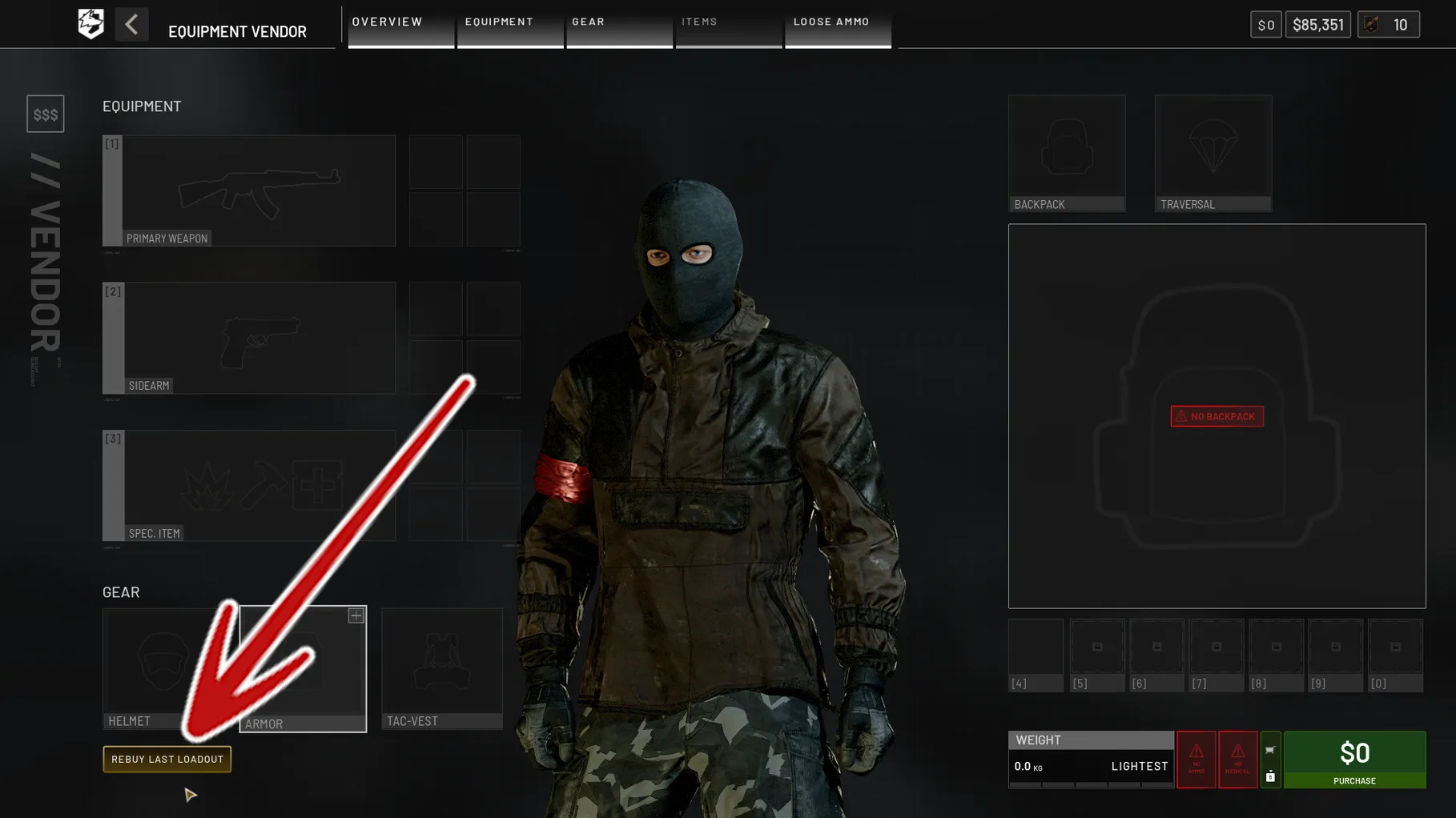
Quick card
- Test weapon
- T-21, the $600 starter rifle
- Best all-round grip
- Mini Angled Grip, $720
- Most common mistake
- RK6 grip under a high zoom optic
- Heaviest control
- TDG Vertical Foregrip, $1,000
- Shotgun must-have
- Full choke
- Only free upside
- Flash hider, faster ADS
The bill is always aim-down-sights speed
Nearly every attachment buys you recoil, spread or sway control and charges handling for it. The RK6 Tactical grip is the one to watch, because it is the cheapest foregrip in the game and therefore ends up on most players' rifles by default. It does cut vertical recoil, but it carries a moderate aim-down-sights penalty, and stacked under a high zoom optic and a long barrel that penalty becomes the slowest thing about your loadout. It also leaves horizontal recoil untouched, so the pattern gets shorter without getting straighter: the shots wander side to side inside a smaller area, which is harder to read, not easier.
Angled grips beat vertical grips for most players
Vertical recoil is a skill problem, you can pull it down. Horizontal recoil is a guessing game, which is why grips that straighten the pattern are worth more than grips that shorten it. The 45 degree angled grip leaves slightly more recoil on the weapon but sends it up a much straighter line, and pays you back in aim-down-sights and equip speed. The Mini Angled grip at $720 is the same idea with no listed downside at all: strong horizontal control, moderate spread reduction, faster aim-down-sights, faster weapon swaps. The AFG angled grip is that profile with stronger spread reduction. If you want vertical help without losing handling, the RVG vertical grip costs only a minor sway penalty. The TDG vertical foregrip at $1,000 is the heavy option: strong vertical control, strong stabilisation and some horizontal help, paid for with worse handling, worse equip speed and worse aim-down-sights. That equip penalty follows you every time you swap to a launcher, a wrench, a monocular or a rangefinder, so it is an expensive grip on a recon or support kit that swaps constantly. The Shift foregrip sits between the two camps with strong horizontal and spread control and moderate handling gains.
Bipods, brakes and suppressors
The Hybrid Grip Pod is the one bipod that fits a wide range of weapons. Stowed, it behaves like an ordinary grip: recoil and spread down, aim-down-sights speed down. Deployed, standing completely still, the upside is large enough to change how a position plays, with much tighter spread, hipfire included, and much less recoil. It belongs on a kit that holds a tower floor or a forward base, not on one that moves. On muzzles, the Ballista brake trades half a percent of vertical recoil and a little aim-down-sights speed for moderate horizontal control and a slight spread improvement, and it sits well on SMGs. The Hexagon brake is the aggressive version: a significant horizontal gain and slightly better spread with no vertical downside, paid for in aim-down-sights speed. Flash hiders are the quiet bargain, cutting flash and improving aim-down-sights speed at the same time. Suppressors come as a multi-caliber unit or per-caliber units, and the per-caliber ones cut recoil slightly better for a larger handling cost. This build has no subsonic ammunition, so a suppressed rifle is quieter rather than quiet; the effect is most convincing on 9mm and on .45 ACP, the slowest cartridge in the game.
On a shotgun, the choke is the attachment
Strider's choke tests are blunt about this. Firing at the same target with no choke returned scores of 31, 25 and 17, with only two pellets landing on the last attempt. An improved cylinder choke returned 60, 57, 43 and 32. A full choke returned 69, 70 and 71, landing all eight pellets almost every time at that distance, and still scored 75 and 54 from further back. If you run buckshot, treat the full choke as part of the gun rather than as an upgrade. Slugs are rifle rounds with a little spread on them, so the choke still earns its slot there too.
Optics: the zoom you can actually shoot with
Red dots hand you a moderate aim-down-sights improvement, which makes them the one attachment class that reliably gives handling back instead of taking it. Several of the better looking dots in this build, the OKP7, the Cobra and the Hollow, are bright enough to wash out at the wrong moment, and the Compact T2 is cheap but obstructive, so pick by how much of the target the reticle and housing hide. In low zoom, the 1.5 combat optic, the 2.5 combat and the 3x cover almost every Control Zone engagement, with the Spectre 4x as the ACOG style option if you want reach without a sniper scope. Sniper glass runs from the fixed 6x through the 3 to 6 LPVO, which zooms but carries a strong aim-down-sights penalty, up to the 6 to 10, its MRAD reticle variant, and the 2.5 to 10 precision scope with hold breath. The rule that survives all of it: zoom is paid for in aim-down-sights speed, and stacking a high zoom optic on an RK6 grip and a long barrel is how you lose fights you aimed at first.
Practise the part no attachment fixes
The drill in the source video is worth more than any single purchase: face a wall, fire, and practise pulling the mouse straight down the same way every time. Attachments change the shape of the pattern, your hand still has to follow it. Once that is consistent, pick grips that keep the pattern predictable and spend the savings on armour and ammunition instead.
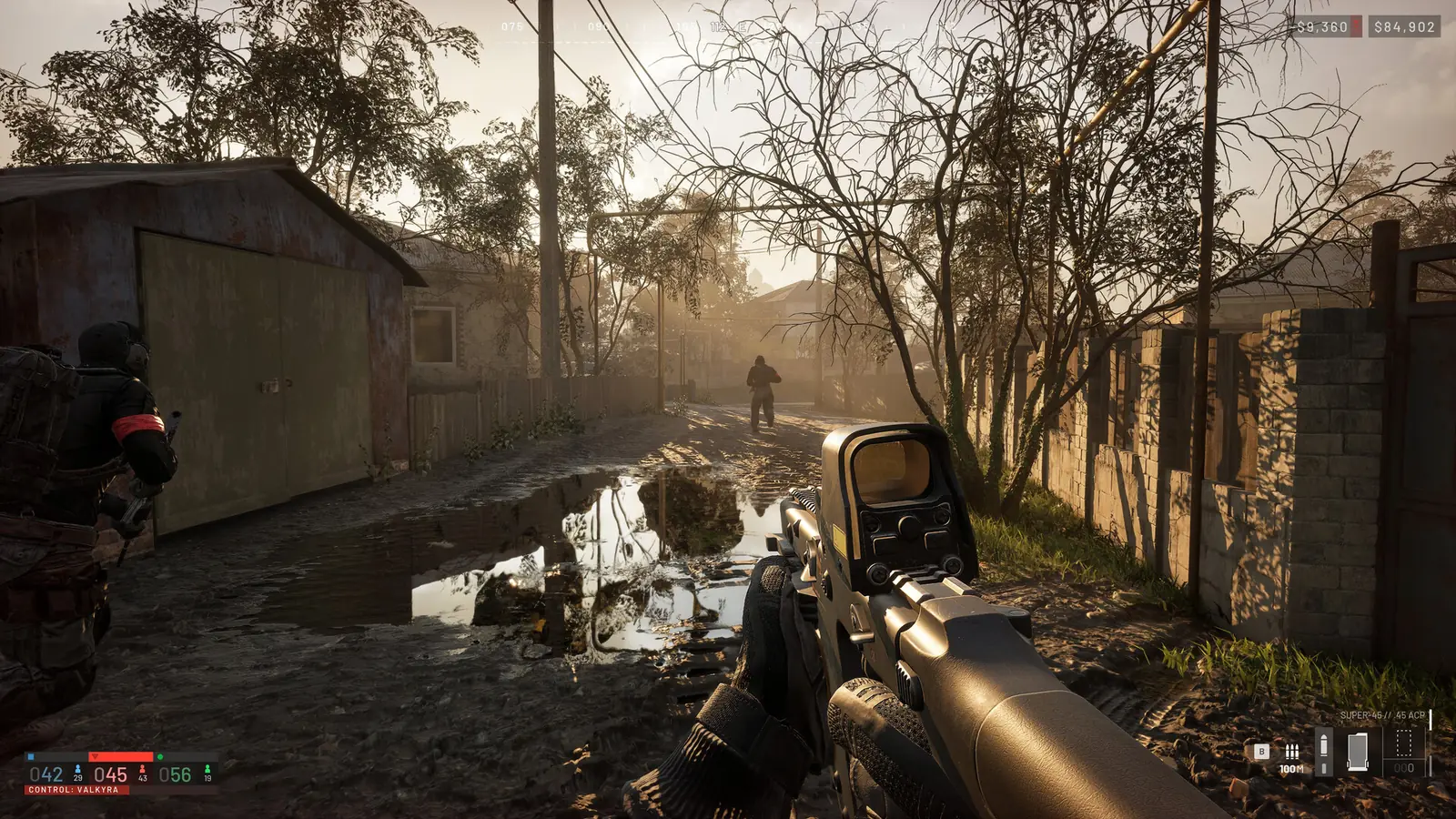
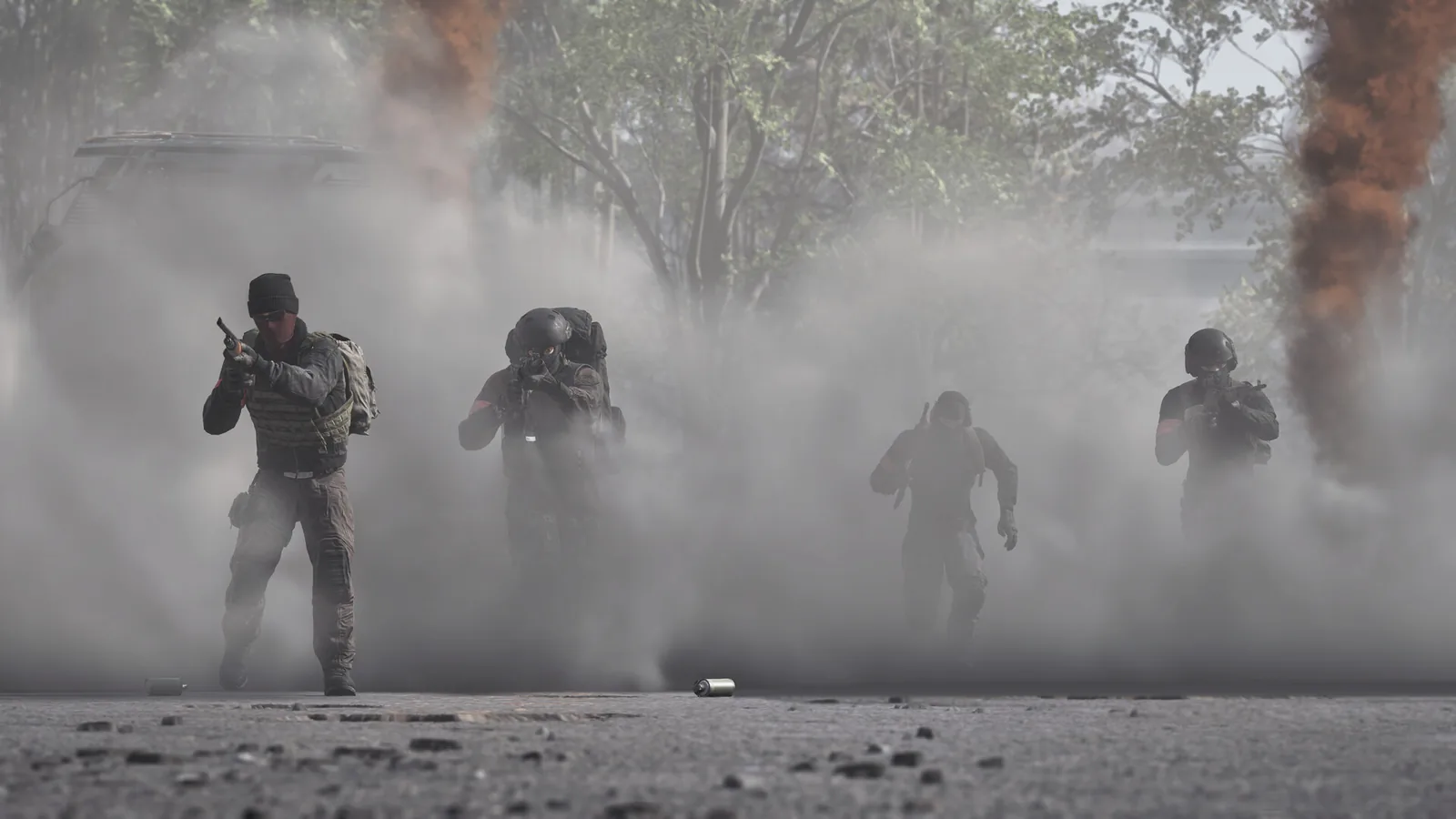
SOURCE BRIEFING
Source video from StriderSTOP USING These Attachments In WARDOGS
Watch on YouTubePlaying loads YouTube. Choose captions in the player settings. Credit and thanks to the creator.
Related field notes
 WARDOGS10 Sep 2026Kit disciplinePlan a kit before spawning: check backpack space, loose ammunition, weight class, armour, rig and quick slots, then use the minimap and buy screen deliberately.FIELD NOTE 33
 WARDOGS10 Sep 2026XP tracksUnderstand the six role tracks and account XP, then compare the guide's Recon spotting and Driver transport loops and the unlocks tied to each path.FIELD NOTE 34
 WARDOGS10 Sep 2026FOBs and buildingFollow the FOB build sequence from hammer tiers and the build wheel through supplies, doors and capture, then see how towers, drills and assists affect a base.
Sources
Numbers and mechanics on this page are paraphrased from:
Wing Mait is an independent project, not affiliated with or endorsed by WARDOGS or its publisher.