WARDOGS / FIELD NOTES
Kit discipline: backpack, weight and the buy screen
Most of the time new players lose is spent in menus, and most of the damage they take was decided by what they packed. These are the habits that pay back every single life.
Quick card
- Free every life
- Resuscitator, take one
- Ammo maths
- One 30 round AK magazine = 80 loose rounds of space
- Pack magazines
- C, in the inventory screen
- Tactical reload
- Hold R, the magazine drops
- Faster sprint
- Holster the weapon, default X
- Stash toggle
- V at the vendor, spends what you already own
Buy less, carry better
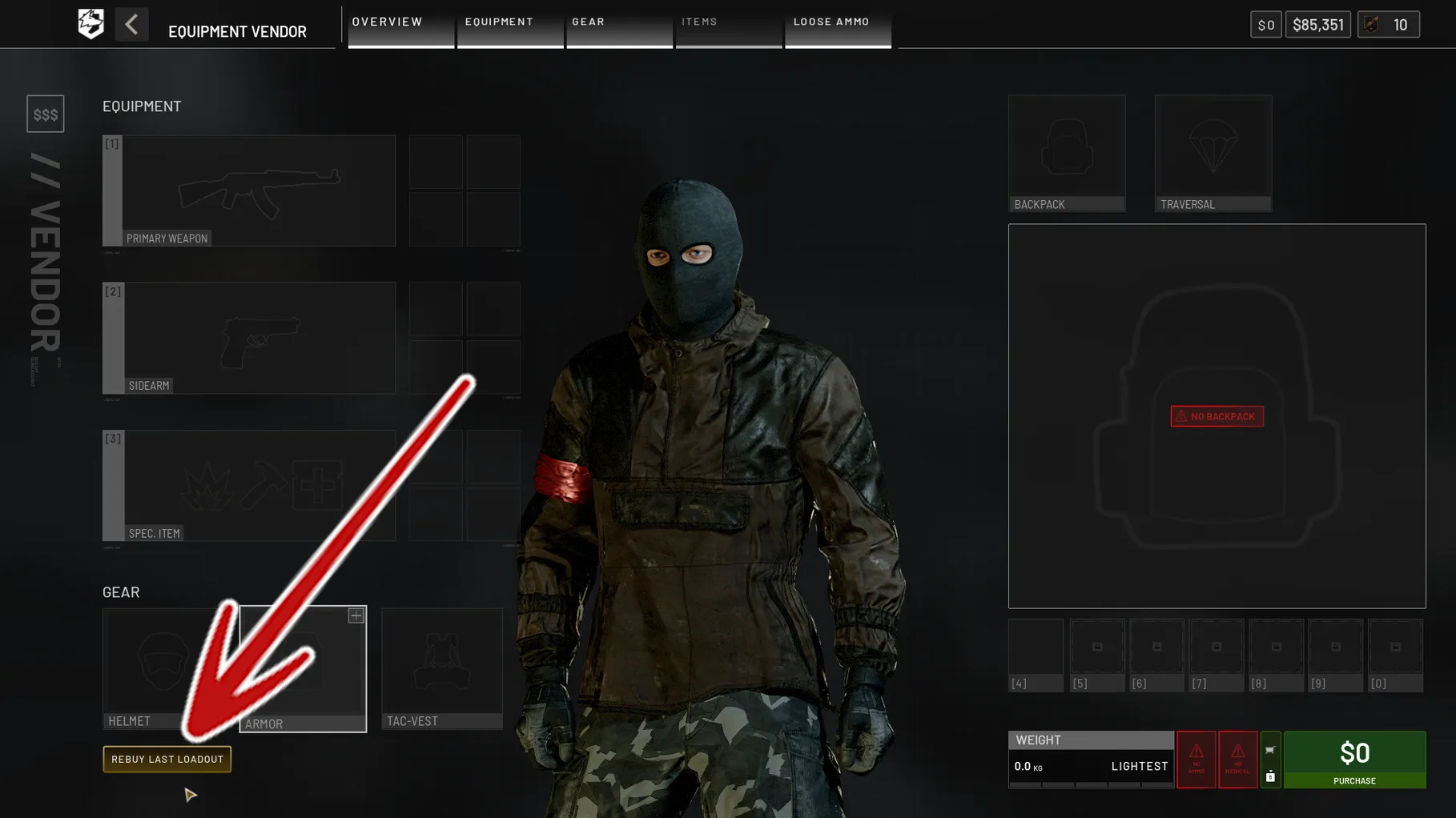
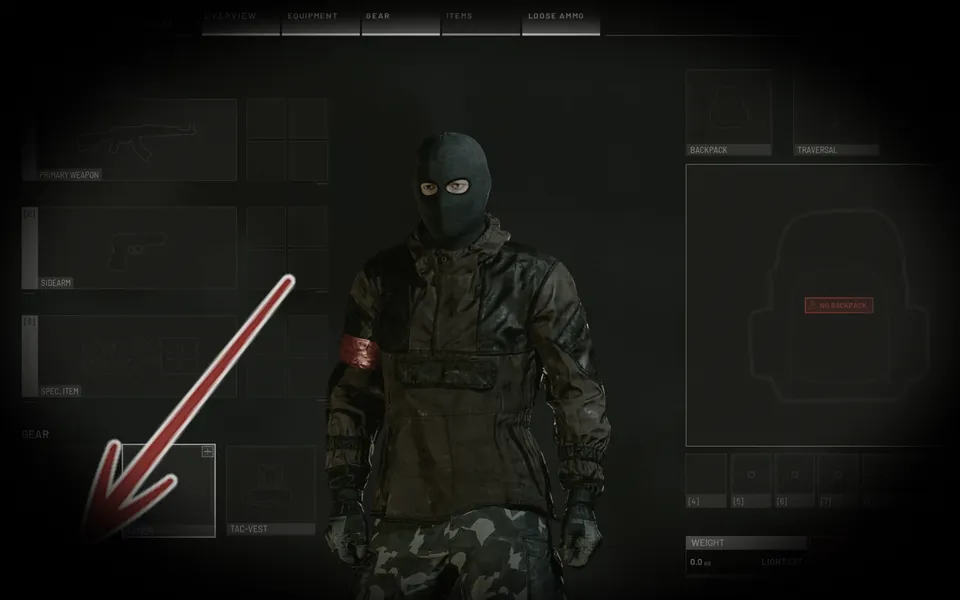
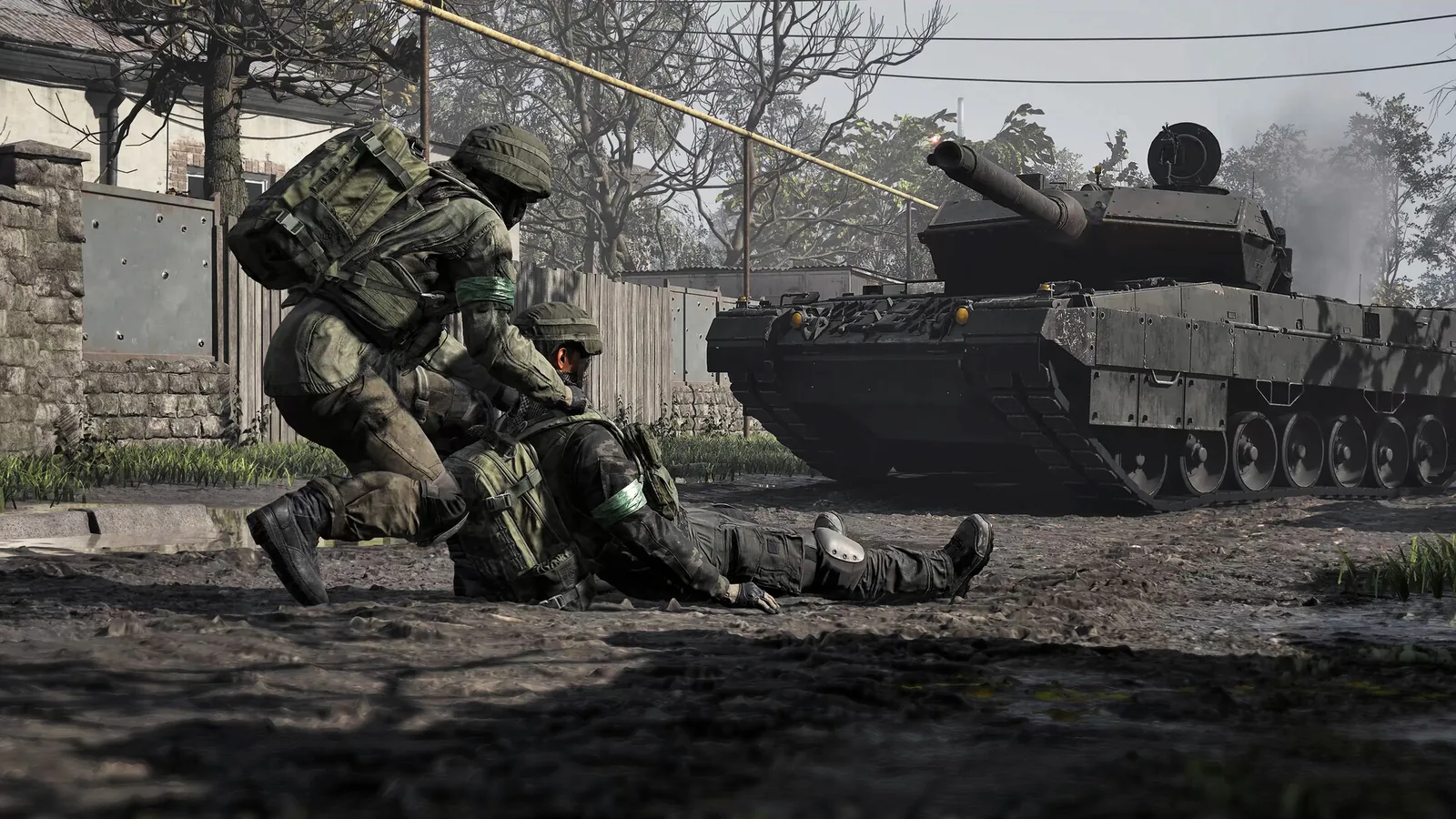
The free faction rifle is not a punishment. Taken as a regain weapon it costs nothing, gets you into a fight, and the moment you win one you pick up the dead player's better gun. The free resuscitator is the other item to take every single life: it revives faster than bare hands, pays more cash for the revive, and even though it is single use it costs nothing to carry. You will find plenty more on bodies after any real gunfight, friendly or enemy, so loot for them. At the vendor, the rebuy last loadout option ends the menu phase in one click, and the stash toggle on V spends items you already own instead of buying them again.
Loose ammo beats spare magazines
A single 30 round magazine takes the same backpack space as 80 loose rounds, so a bag full of pre-bought magazines is a bag with no room for grenades, bandages or a rangefinder. Carry loose ammunition and repack in cover: C in the inventory packs empty magazines and consolidates loose rounds. It works left to right, then top to bottom, so it will happily pull rounds out of a full magazine on the right to fill an empty one on the left. Drag your magazines into the order you want before you press it. Reloading has two modes worth binding into muscle memory: tap R and the spent magazine goes back into your rig, hold R and it hits the floor. The second one is faster and is what you want mid-fight, at the cost of the rounds left in it.
Weight is a stat, not a formality
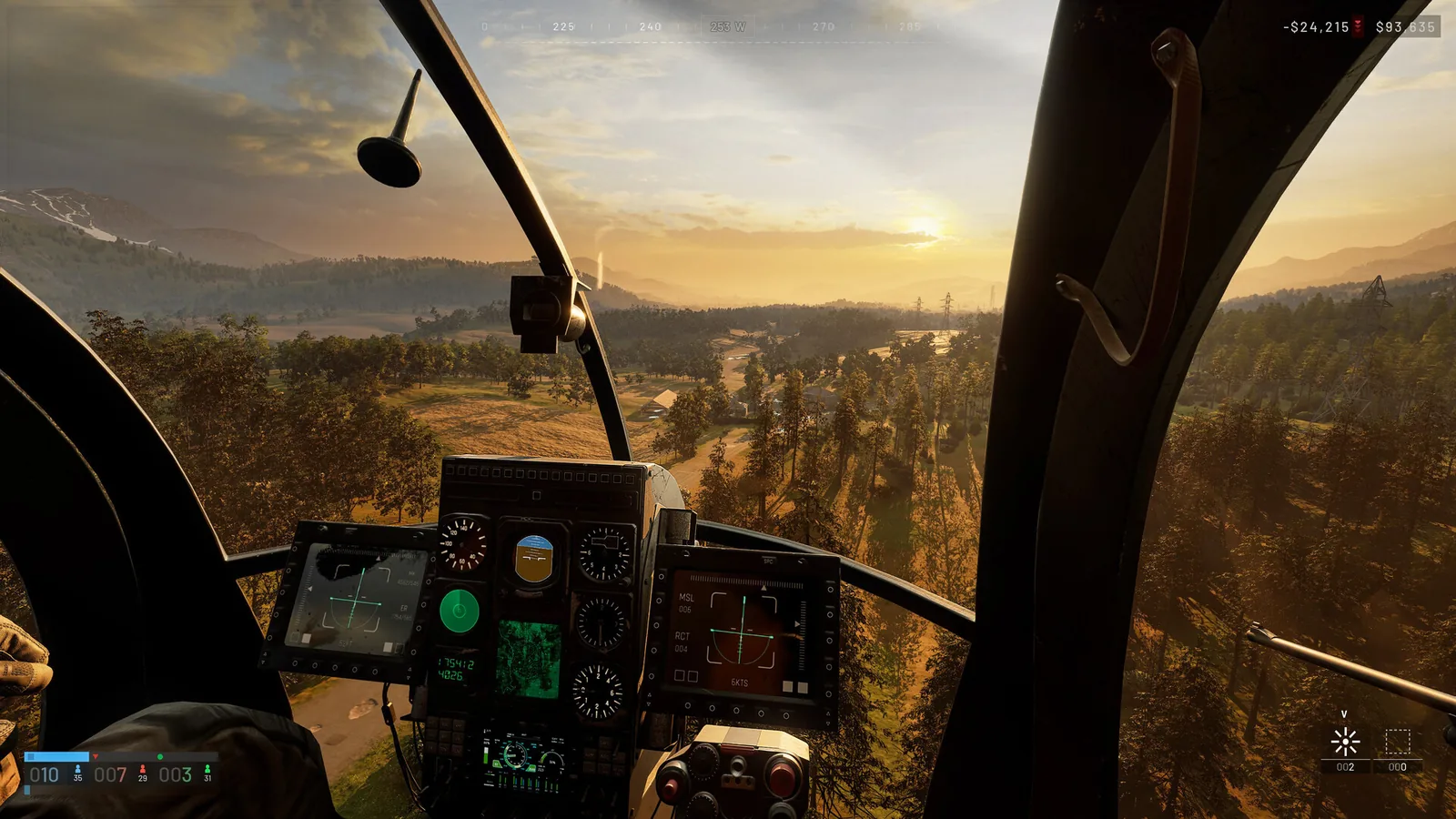
Every weight class you climb costs aim-down-sights speed, strafe speed and weapon sway, and the top classes take your movement outright: at heavy you lose tactical sprint, at ultra heavy you lose sprint altogether and waddle. Audit the bag before you leave the base. A parachute you are not going to use is a class of weight, though think twice if there is any chance of boarding a helicopter. Anything you want at the objective rather than on your back goes in the vehicle: fuel, ammunition, medical items and spare kit all fit in a trunk that costs you no movement at all.
Armour is the cheapest survivability in the game
Level one armour is an automatic buy unless you are deliberately running an eco life. Level two wins more gunfights and stops some sniper one-shots, at the cost of movement speed, which is the trade to think about rather than assume. The part most players skip is durability: when you loot a body, open the inventory and read the health of the armour and the helmet, not just the tier. A level two plate at 10 percent is worse than a level one at 70 percent, and no helmet at all is how you get one-tapped by things that should not kill you.
Rig, quick slots and the keys nothing is bound to
The backpack is your only real storage; the tactical rig does not add capacity, it adds quick access slots, and the rig tier is what decides how many grenades, defibrillators and tools you can reach without opening the inventory. Binoculars and a rangefinder take two slots and belong in one of those quick slots even if you never intend to play recon. Hold 4 for the quick access wheel. Bind holster, because putting the weapon on your back is free sprint speed across the dead ground this map has a lot of, and you are usually in cover by the time the draw animation finishes.
Zero, hold breath and minimap zoom
Three small settings that behave differently here than in the shooters you came from. Your current zero sits bottom right on the HUD and moves on page up and page down; pinging a location does not give you a distance, so a rangefinder is what turns a guess into a number. Holding shift while aimed activates hold breath, which adds a little zoom and steadies the weapon, and it works on every gun in the game, not just marksman rifles. The minimap zooms on the bracket keys, and is worth rebinding to something under your hand: zoom out to find the marker a teammate just spotted outside your default range, zoom in when you are fighting inside a building and need to see which angles your team is actually holding.
SOURCE BRIEFING
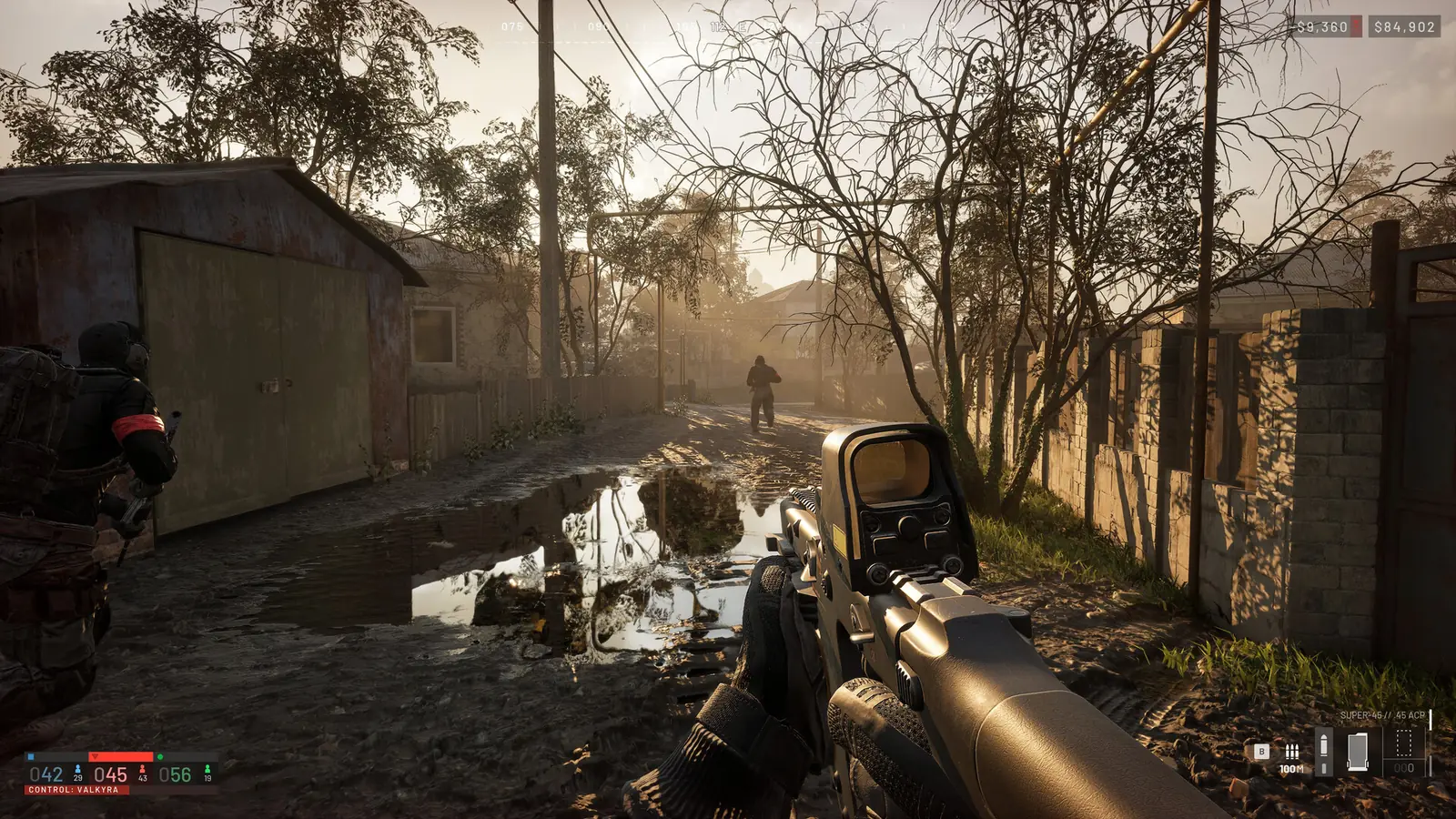
Source video from WestieSTOP Wasting Time In WARDOGS - Do THIS Instead
Watch on YouTubePlaying loads YouTube. Choose captions in the player settings. Credit and thanks to the creator.
Related field notes
 WARDOGS10 Sep 2026XP tracksUnderstand the six role tracks and account XP, then compare the guide's Recon spotting and Driver transport loops and the unlocks tied to each path.FIELD NOTE 34
 WARDOGS10 Sep 2026FOBs and buildingFollow the FOB build sequence from hammer tiers and the build wheel through supplies, doors and capture, then see how towers, drills and assists affect a base.FIELD NOTE 35
 WARDOGS2 Oct 2026Combat engineerThree hammers, the fast-tap, the golden marker, wall maths, stacked walls and the small-hammer trap kit.
Sources
Numbers and mechanics on this page are paraphrased from:
- Westie, "STOP Wasting Time In WARDOGS, Do THIS Instead" (YouTube, published 2026-09-14)
- IceManIsaac, "24 Tips I Wish I Knew Sooner in WARDOGS" (YouTube, published 2026-09-10)
Wing Mait is an independent project, not affiliated with or endorsed by WARDOGS or its publisher.